

$108 a barrel
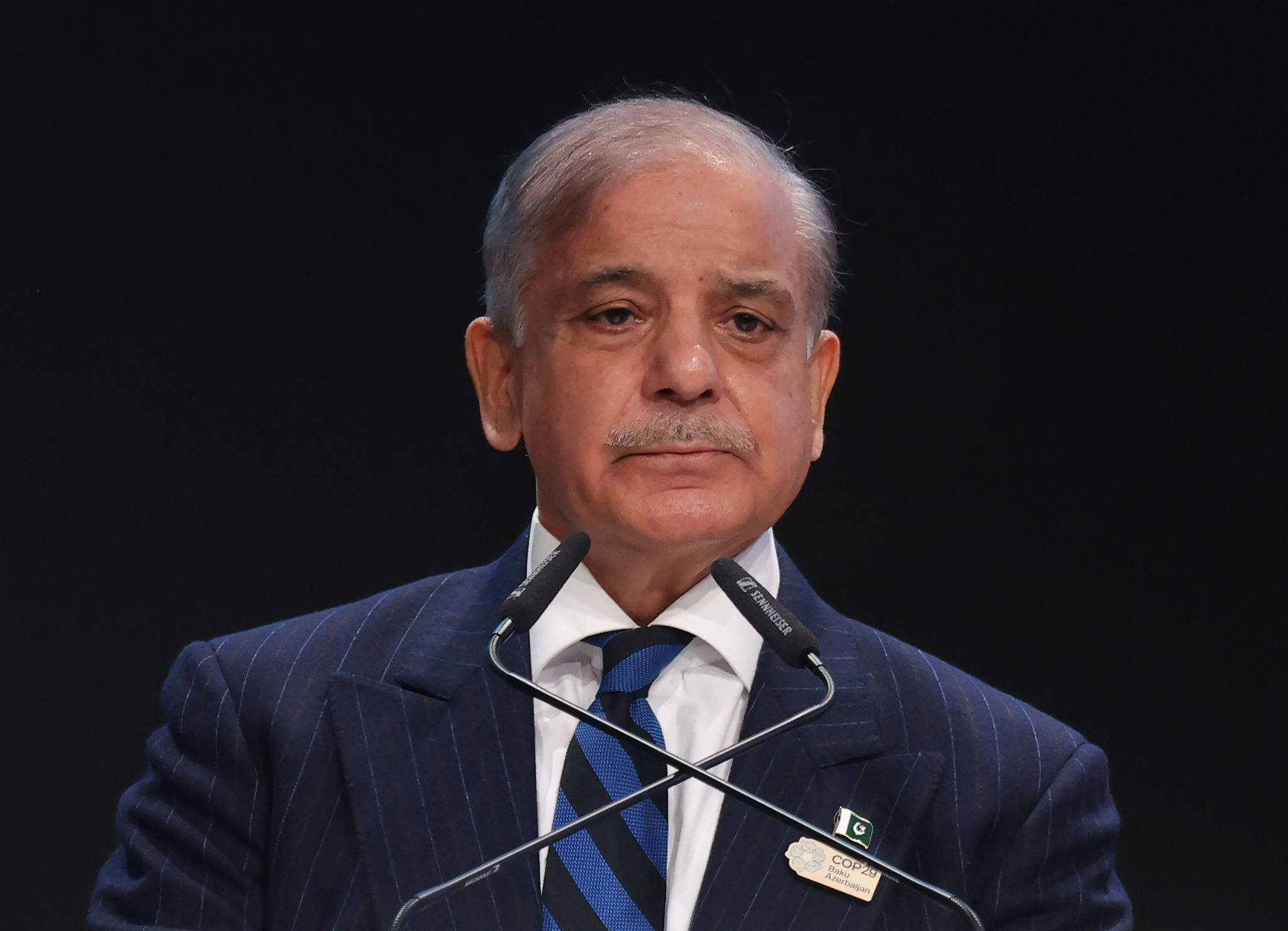
PM Shehbaz to announce plan to save fuel during energy crisis

Hello to a new week and we’re waking up to a new Supreme Leader in Iran and shockingly high oil prices. In every Whatsapp going this morning, the discussion is around the stock market halting and obviously, the end of times discussions are going nowhere.
I’ve done a detailed profile on how Ayatollah Khamenei’s son Mojtaba has been elected as Iran’s next leader and also rising Saudi tensions are important to watch - especially for us. PM Shehbaz will be revealing an austerity plan today. Lots of major changes happening today so let’s brace for it together.


PM Shehbaz is preparing to reveal an austerity plan today as the Iran war pushes global oil prices up and disrupts fuel supplies. Petrol and diesel prices have already jumped by Rs55 per litre, and the country’s monthly oil import bill could rise to around $600 million. The government says fuel reserves are currently adequate (Petroleum Minister Ali Pervaiz Malik confirmed that three petrol cargoes are expected to arrive today), but it may introduce fuel-saving steps like work-from-home and distance learning if the crisis worsens.
The US Embassy in Islamabad has cancelled all visa appointments scheduled between March 9 and March 13. Applicants will be given new appointment dates by email, while consular services for US citizens will continue, though services at the Karachi and Lahore consulates remain suspended until further notice.
India won their historic third T20 World Cup, crushing New Zealand by 96 runs in the final and becoming the first team to successfully defend the title. Sanju Samson’s explosive 89 off 46 balls and Jasprit Bumrah’s 4-15 powered the dominant victory in front of 86,000 fans in Ahmedabad.

DAY 10
While attacks continue all over the Gulf, with the sound of explosions being heard in Dubai, 32 injured due to a drone attack in Bahrain and Israel launching a new wave of attacks on Iran and Beirut this morning, I have focused on three main events:
Tensions between Saudi and Iran escalate, Oil prices have sharply increased and the election of Mojtaba Khamenei as Supreme Leader.
All the information below has been gathered from different articles in Al-Jazeera. For the corruption allegations against Mojtaba Khamenei, which were in an Al-Jazeera article, I double checked and it was initially reported in detail by Bloomberg.
Saudi and Iran this morning
Things are getting a little uneasy with Saudi Arabia this morning as the Kingdom says it has intercepted several Iranian drones and missiles targeting key sites, including Riyadh, the Prince Sultan airbase, and the Shaybah oilfield in the Empty Quarter. At least four drones heading toward the Shaybah oilfield were shot down, and earlier projectiles struck residential areas, killing two people and injuring others. The Saudi government condemned the Iranian attacks as “heinous,” saying they targeted civilian infrastructure such as airports and oil facilities and violated international law.
Riyadh rejected Iran’s claim that Saudi territory was being used by warplanes attacking Iran, saying the aircraft were only conducting patrols to defend Gulf airspace. The kingdom warned that continued attacks would escalate the conflict and said Iran would ultimately be the “greatest loser.”
Shocking rise in oil prices.
Oil prices surged sharply as the conflict intensifies with Brent crude (a pricing reference for crude oil) jumping above $108 a barrel after shipping through the Strait of Hormuz slowed dramatically due to Iranian attacks on vessels. Analysts warn prices could climb toward $120 per barrel if the war expands, potentially slowing global economic growth and pushing inflation higher worldwide.
New Supreme Leader: Mojtaba Khamenei
The appointment of martyred Ayatollah Ali Khamenei’s son, Mojtaba Khamenei as Iran’s new Supreme Leader late last night, is already triggering reactions across the world, but one of the most notable responses has actually been the lack of a clear response from Donald Trump.
This morning, when asked directly about Mojtaba Khamenei taking over, Trump refused to give a firm opinion. Instead, he gave a vague answer, simply saying: “We’ll see what happens.” When asked by FOX News, what he thought of the election, Trump said, “I am not happy” with Iran’s selection.
Which is more interesting since Trump had earlier said that Mojtaba Khamenei’s appointment as Ayatollah was unacceptable to him.
Meanwhile, reactions from American lawmakers have been far more blunt. Republican Senator Lindsey Graham strongly criticized Iran’s decision to elevate Mojtaba Khamenei, saying it represents the exact opposite of the change the West was hoping to see in Iran. Graham has long been one of the most hawkish voices in Washington when it comes to Iran. Posting on X, he suggested that Mojtaba could ultimately meet the same fate as his father, implying that continued conflict might eventually lead to his assassination as well.
Inside Iran, however, the message being projected is completely different. According to reporting from Tehran, Mojtaba Khamenei’s appointment is being framed as a powerful show of defiance. Iranian officials are presenting the appointment as a rejection of outside interference, particularly from the United States. In effect, the move sends a clear message: that Iran intends to handle its internal political process on its own terms, regardless of pressure from Washington or its allies.
Within Iran’s political and military establishment, the response to Mojtaba’s appointment has been overwhelmingly supportive so far. The Islamic Revolutionary Guard Corps (IRGC) was among the first institutions to publicly back the decision, followed by the country’s armed forces and national police. Prominent political figures, including Ali Larijani and other senior officials, have also pledged loyalty to the new leader. Even though communication disruptions and internet blackouts are making it difficult to gauge public opinion, early signs suggest that the people are firmly aligned behind him.
Some analysts within Iran have also tried to counter the idea that Mojtaba’s rise represents a dynastic handover of power from father to son. According to Hamid Reza Gholamzadeh, a Tehran-based think tank director, the elder Khamenei actually had no role in selecting his successor, whomever it might have been, and was perhaps against his son succeeding him. Gholamzadeh claims the decision was made entirely by the Assembly of Experts, the 88-member clerical body responsible for choosing Iran’s supreme leader under the country’s constitution.
However, Mojtaba’s close relationship with his father meant he had long been familiar with the inner workings of Iran’s leadership and security structures. For decades he operated within the inner circle of power and built strong ties with the IRGC, making him one of the most influential behind-the-scenes figures in the country even before formally taking the top position.
Mojtaba Khamenei has never held elected office or faced a public vote but has long been an influential figure within Iran’s leadership circle. His rise signals the country may be less inclined toward negotiations in the near future. Despite his influence, Mojtaba has kept a very low public profile, rarely giving speeches or public addresses, and many Iranians have never even heard his voice.
Corruption Allegations
Mojtaba Khamenei is under Western sanctions and has been accused in international reports, of building a vast economic network involving assets across several countries, allegedly moving billions through Iran’s establishment insiders. He has not responded to these allegations.

You’re going to lose a great deal of money today but don’t worry. In a few months, you’ll get it all back.

We’re on a mission to bring sharp, easy-to-digest stories straight to your inbox — but we need your help. If you’ve been enjoying the newsletter, please share it with your friends and family. A quick forward or a simple “hey, check this out” could make a huge difference. More readers means more impact, and we’d be so grateful for your support. 💌